Canon’s patented FINE (Full-Photolithography Inkjet Nozzle Engineering) print head technology offers both precision and efficiency when it comes to printing. The technology is based on several branching channels that form one single nozzle. This makes it possible to precisely distribute the ink evenly across the entire printing surface. The FINE technology uses microscopic droplets that are almost 2 picoliters in size, which makes it possible to create incredibly detailed prints.
The FINE technology also improves the waste ink pump system. This system is designed to handle the excess ink that accumulates during the printing process. Instead of allowing the excess ink to build up on the printing surface, the nozzle technology helps guide the waste ink through its pump system and away from the printing surface. This helps reduce the chances of ink smearing, which can reduce the quality of the final product.
The nozzle technology also helps improve print speeds. Canon’s FINE technology uses an optimized firing sequence to ensure that the ink is placed on the page as quickly as possible. This helps reduce the amount of time it takes to print a document or image. The faster print times mean that you can finish your projects more quickly, saving time and money in the process.
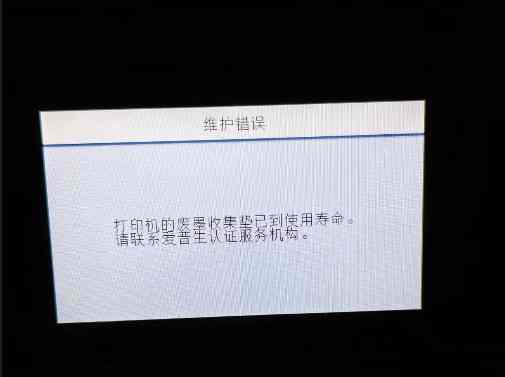
To ensure that the waste ink pump system is running as efficiently as possible, Canon has implemented a few features that will help keep it in top condition. The first is an automatic self-cleaning feature that helps remove debris and buildup that can affect the system’s performance. The second is a feature that monitors the levels of ink in the waste ink tank and alerts you when it is time to replace it.
Overall, Canon’s FINE technology is a great way to improve the speed and quality of your prints. The technology offers precision and efficiency, while also making sure that the waste ink pump system is working properly. If you are looking for a way to get better prints without sacrificing quality, then the Canon FINE technology may be worth considering.